Meeting in Kazan with Ministry of Sport officials reinforces the organization’s international presence and positions Russia as a strategic axis for the expansion of traditional karate.
BY PAULO PINTO / GLOBAL SPORTS
CURITIBA / BRAZIL, APRIL 17, 2026
The international agenda of ITKF Global advanced strategically this week with an institutional visit by its Chairman, Gilberto Gaertner, to the Ministry of Sport of the Republic of Tatarstan. Held on Wednesday, April 15, 2026, in Kazan, Russia, the meeting consolidates a consistent movement by the organization to strengthen ties with governmental structures within the Russian Federation and reinforces its positioning within the Eurasian axis.
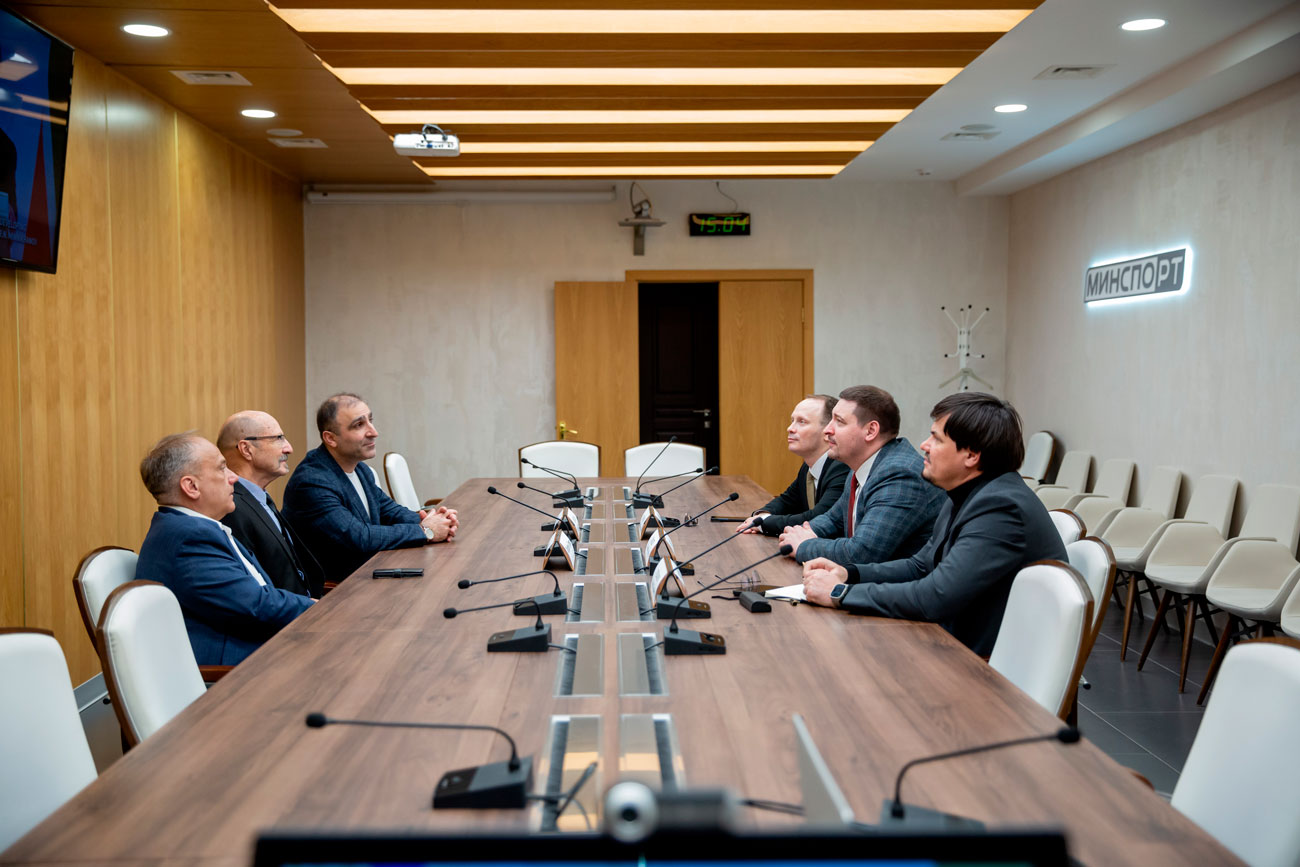
The meeting in Kazan brings together ITKF leaders and Russian sports authorities in a strategic dialogue for the expansion of traditional karate across the Eurasian axis © MET
The working session was conducted at a high institutional level and brought together regional sports authorities and key figures involved in the development of martial arts in the country. During the meeting, Gaertner presented the mission, strategic guidelines, and global scope of ITKF’s activities, emphasizing the organization’s role in promoting traditional karate as a tool for education, inclusion, and human development.
Strategic axis and international projection
According to the Chairman, the meeting was highly productive and opened the door for structured cooperation between ITKF and the Government of Tatarstan.
“The dialogue established here in Kazan reinforces ITKF’s international dimension and expands our opportunities to operate in a strategic region that combines tradition, structure, and a forward-looking vision for the development of sport,” Gaertner stated.
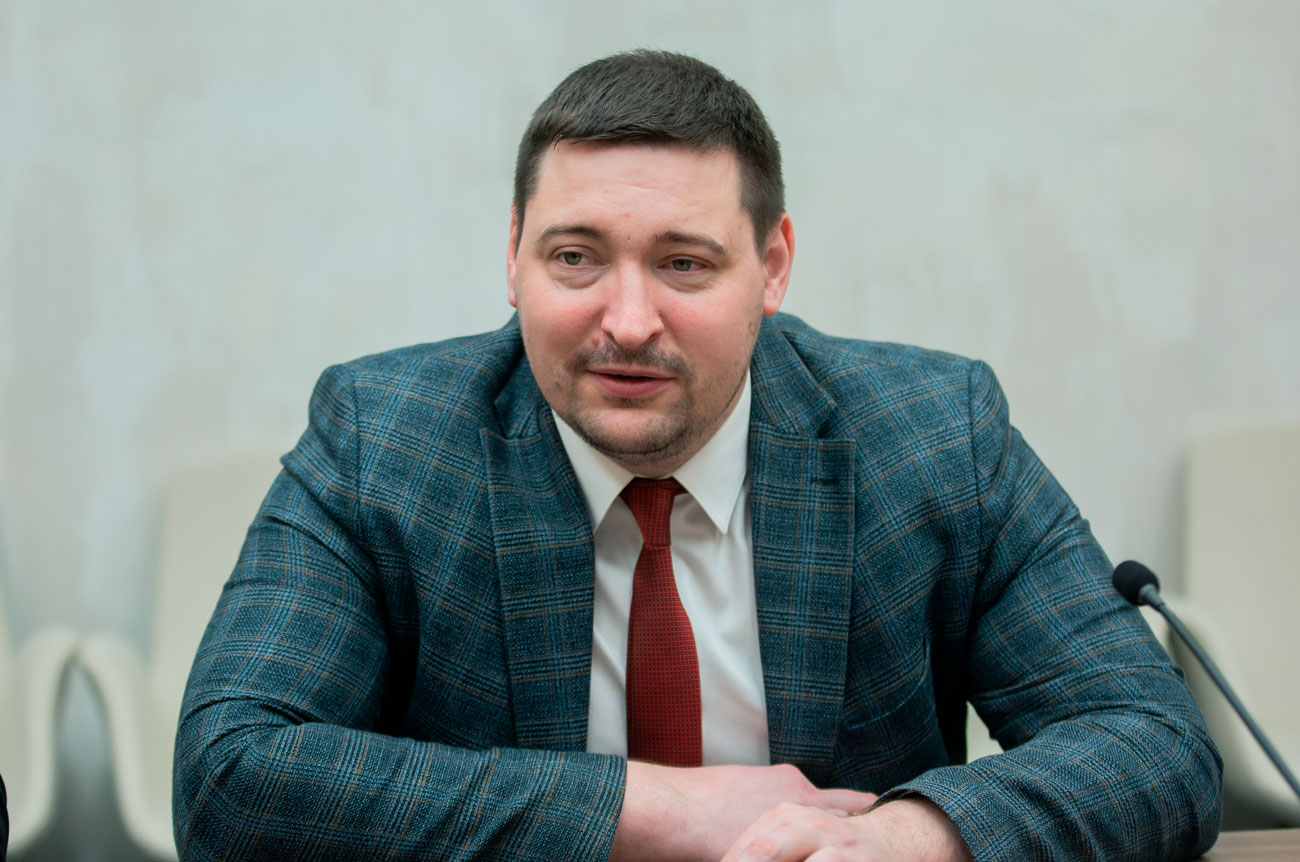
Roman Yurievich Kapliev, Deputy Minister of Sport of Tatarstan © MET
The initiative strengthens the organization’s presence within the Eurasian axis, leveraging Russia’s geopolitical position as a bridge between Eastern Europe and Asia — a movement that has been consistently developed under the current administration.
Kazan as a sports hub
During the meeting, the Deputy Minister of Sport of the Republic of Tatarstan, Roman Yurievich Kapliev, presented an overview of the region’s sports infrastructure, highlighting the city of Kazan as one of Russia’s leading sports centers.
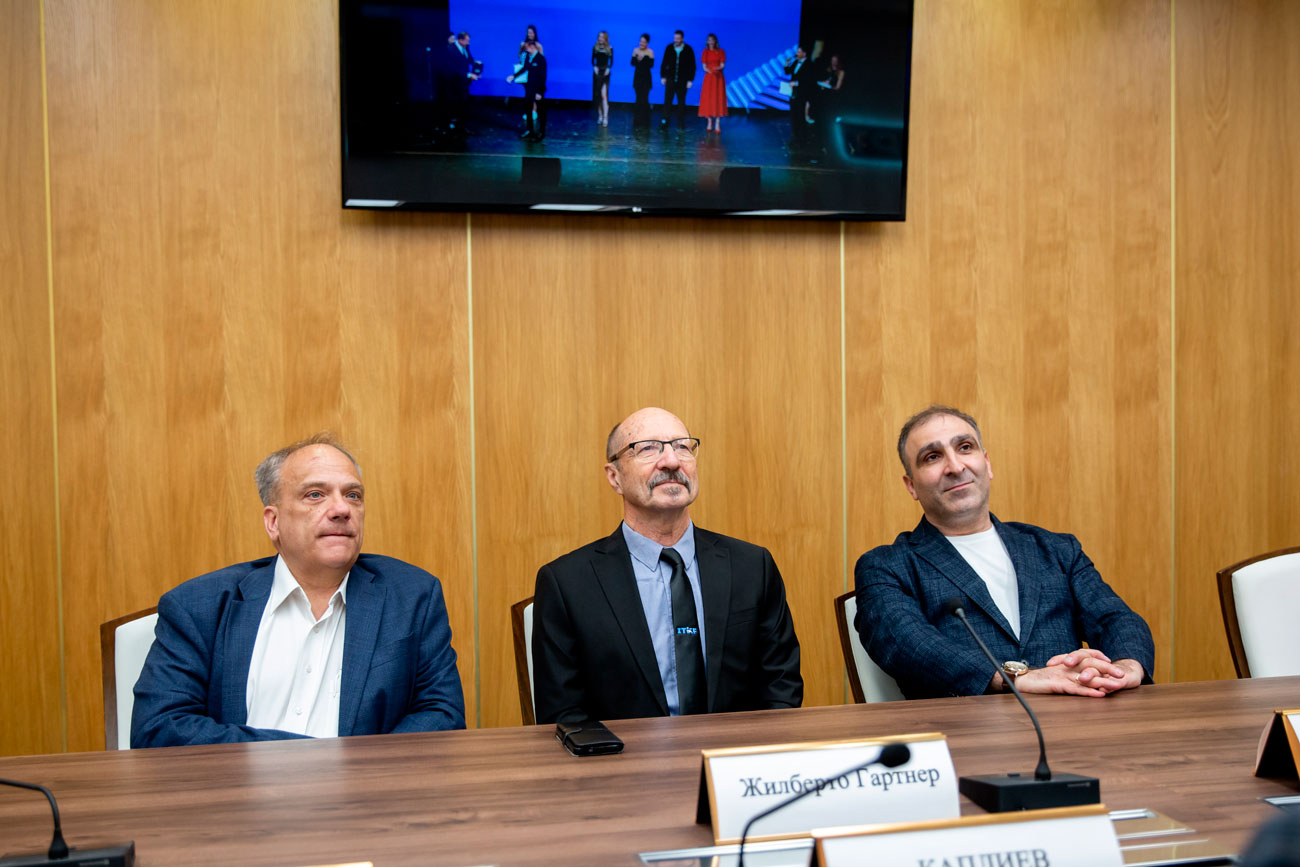
ITKF Global officials follow the institutional presentation of the Ministry of Sport, highlighting Kazan’s structure and potential to host international events © MET
An institutional video presented during the session showcased the city’s organizational capacity, infrastructure, and track record in hosting major international events. Local authorities expressed direct interest in establishing partnerships with ITKF and signaled their readiness to host official competitions and activities.
The meeting also addressed the importance of sports psychology in high-performance environments, emphasizing the need to integrate technical, physical, and mental preparation as a strategic foundation for modern athlete development.
Institutional strengthening in Russia
The meeting also played a key role in the consolidation process of the new Russian Confederation of Traditional Karate, enhancing its international credibility and reinforcing its integration into the global ITKF system.
Participants included Gilberto Gaertner, ITKF Chairman; Roman Yurievich Kapliev, Deputy Minister of Sport of Tatarstan; Alexander Alexandrovich Darenkov, Director of the Russian Union of Martial Arts in Tatarstan; Gevorg Sargsyan, President of the Russian Karate Federation; Vildanov Rusten Rinatovich, Director of the Karate Development Center in Tatarstan; and Chesten Furrow, advisor to the Russian Karate Federation.
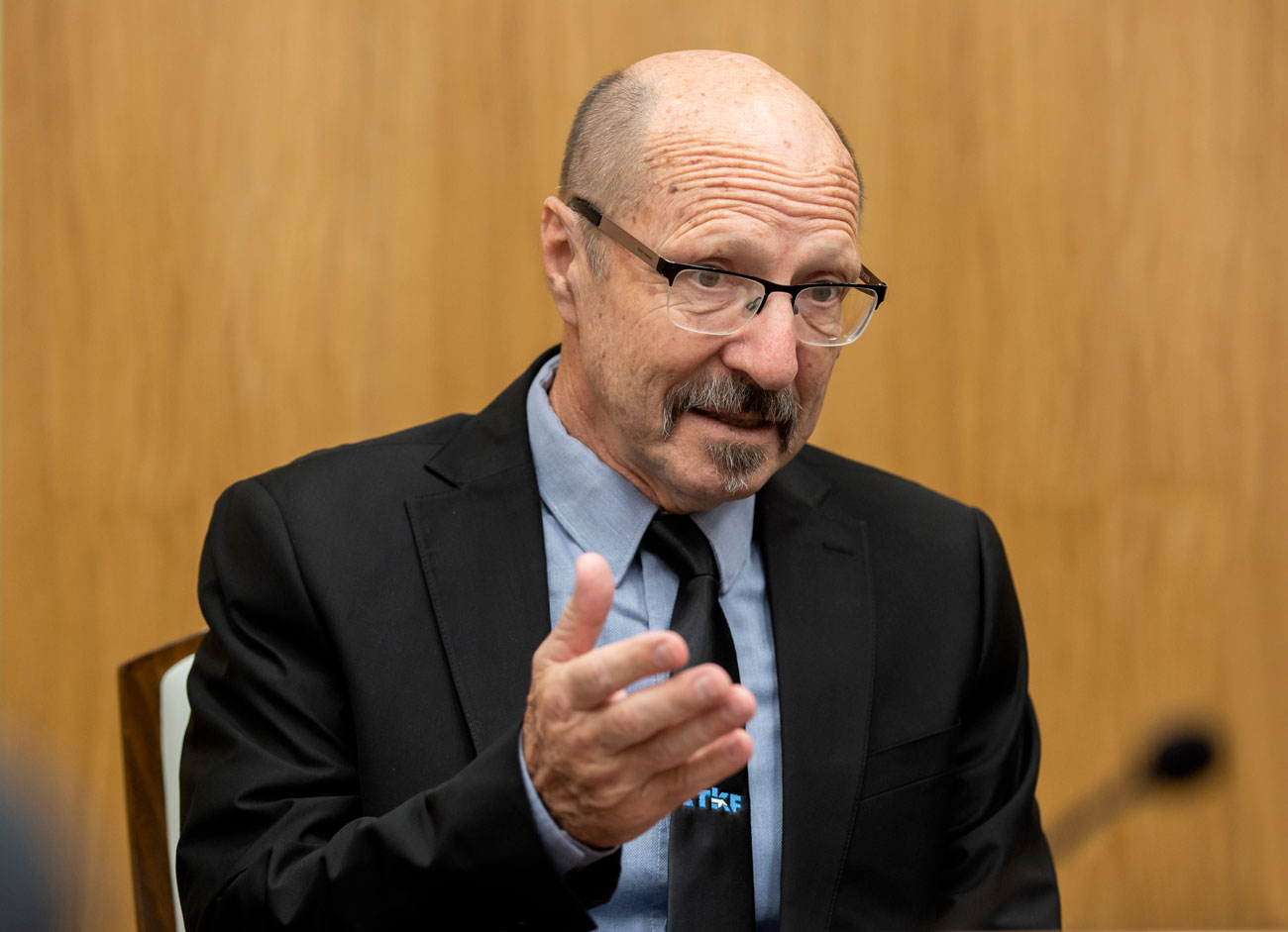
During the meeting in Kazan, Gilberto Gaertner presents ITKF Global’s international reach and strategic projects © MET
In a statement aligned with the institutional context, the leadership of the Russian federation highlighted the importance of this engagement.
“The presence of ITKF in direct dialogue with the public authorities of Tatarstan represents a significant step forward for the strengthening of traditional karate in our country. This is a solid construction based on cooperation, institutional respect, and a long-term vision,” said Sargsyan.
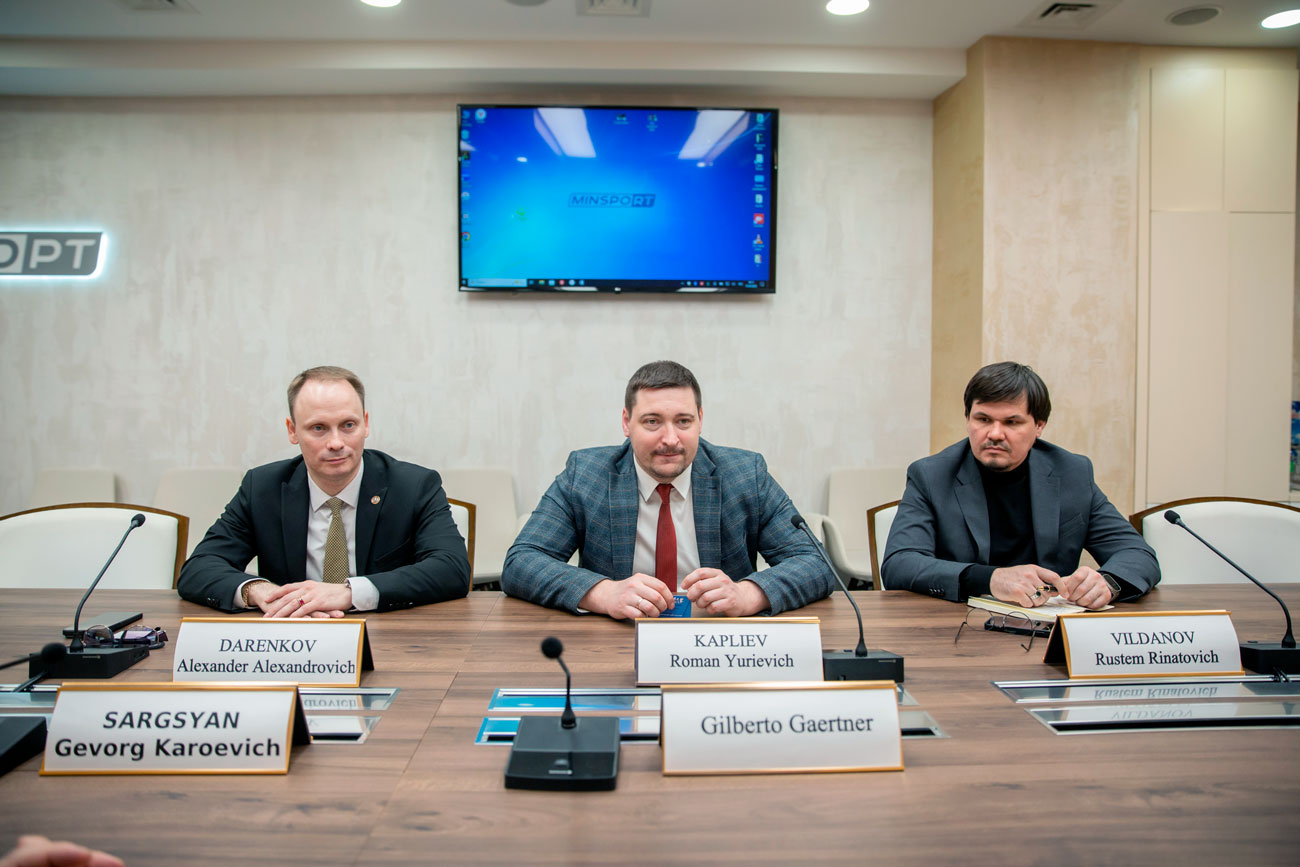
Sports authorities from Tatarstan closely follow Gaertner’s presentation in a meeting that reinforces institutional alignment with ITKF Global © MET
Autonomy and regional relevance
Tatarstan is one of the constituent republics of the Russian Federation, located in the central region of the country along the middle course of the Volga River. With a population of approximately four million people, it stands out for its high level of administrative autonomy, cultural diversity, and strategic importance within the Russian economy.
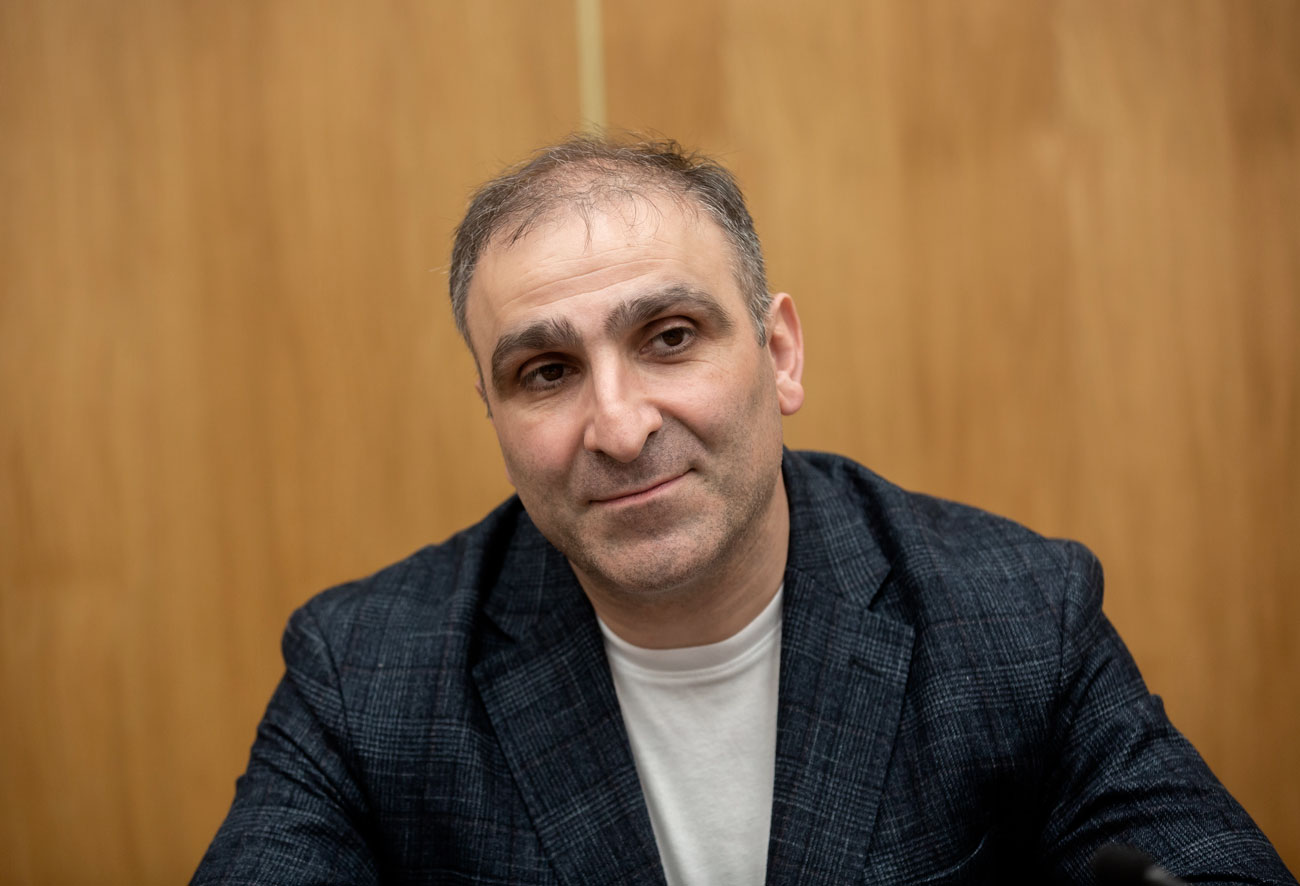
President of the Russian Karate Federation delivers a presentation outlining strategic directions for the development of the sport in the country © MET
Its capital, Kazan, has established itself as a major sports and multicultural hub, offering the structural and institutional conditions that position it as a natural candidate to host large-scale international events.
Expansion with consistency
Gaertner’s visit to Tatarstan reinforces a clear directive of ITKF Global: international expansion driven by institutional articulation, territorial presence, and dialogue with governments.
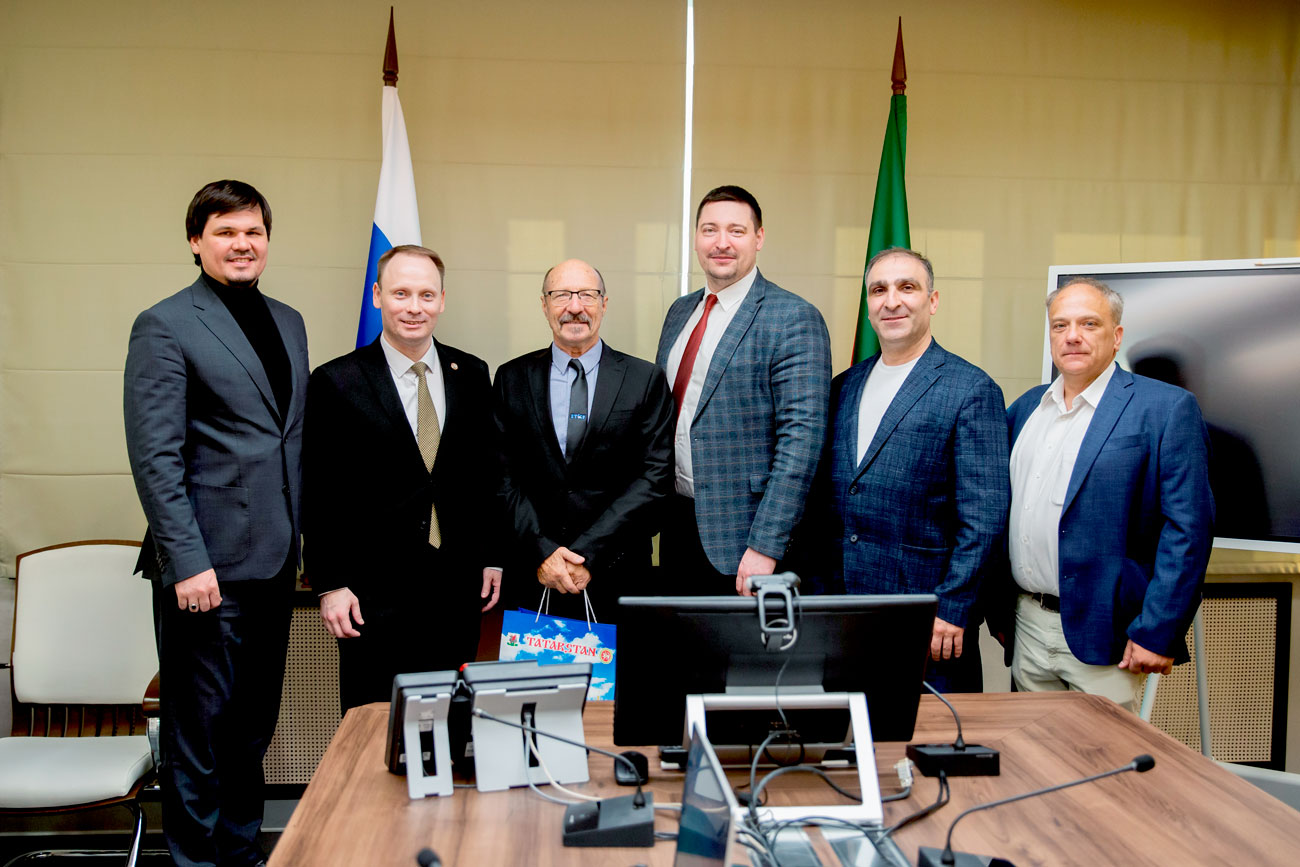
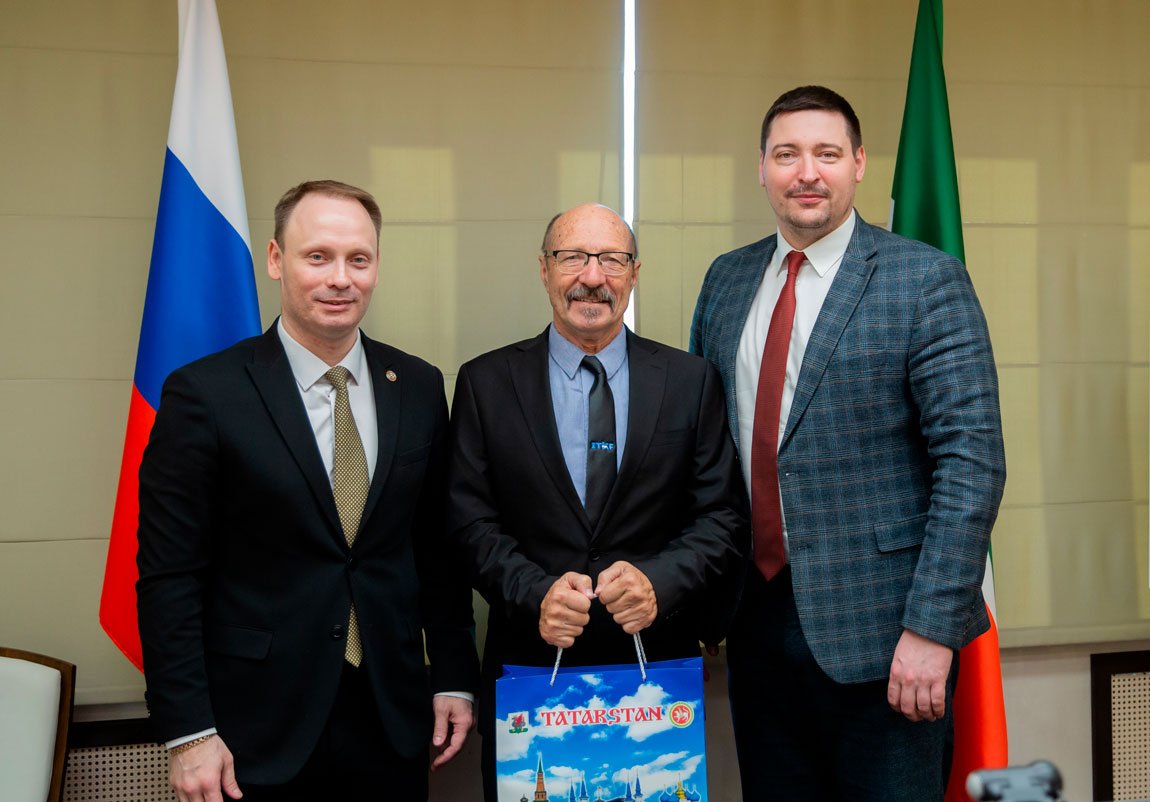
ITKF Global leaders and Tatarstan authorities register a meeting that marks a new chapter in the international expansion of traditional karate © MET
More than a protocol agenda, the meeting in Kazan reflects a structured movement to position the organization in key regions of the global sports landscape, expanding its influence and consolidating traditional karate as a practice aligned with contemporary values of human development and international cooperation.