Following meetings with karate leaders and officials from the Ministry of Sports of Tatarstan, Gilberto Gaertner concluded a mission marked by institutional dialogue, territorial expansion, and technical seminars held in Moscow, Kazan, and Nizhny Novgorod. The agenda positions Russia as one of the main strategic hubs for the development of Traditional Karate across Eurasia.
By Paulo Pinto / Global Sports
Curitiba / Brazil, May 10, 2026
After an intense schedule of institutional meetings and technical seminars in Moscow, Kazan, and Nizhny Novgorod, ITKF Global Chairman Gilberto Gaertner concluded his visit to Russia describing the mission as “a highly significant step” toward strengthening the international presence of the organization and consolidating Traditional Karate throughout the Euro-Asian region.
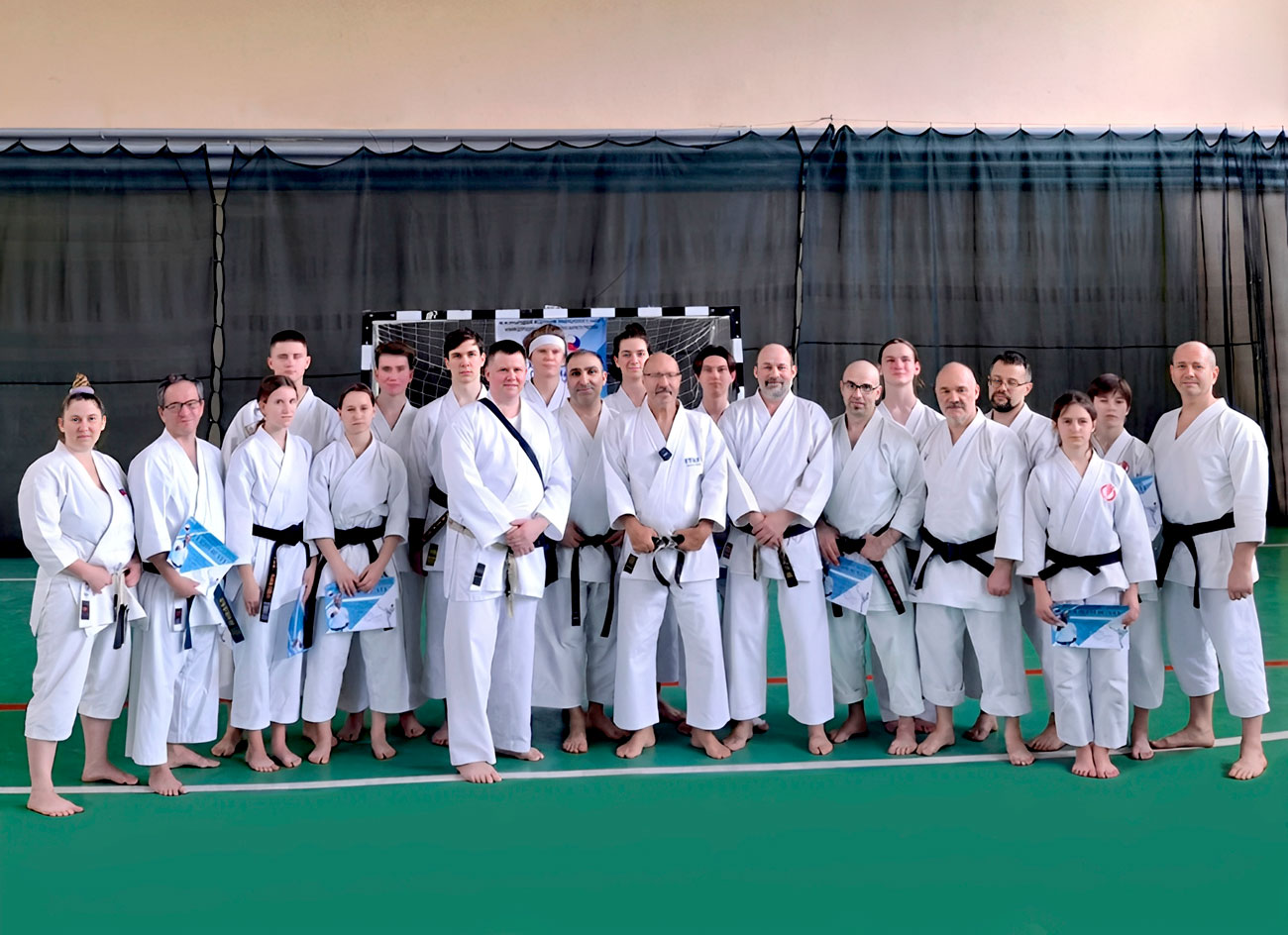
Black belts participating in the ITKF technical seminar held in Moscow, Russia © ITKF Global
Throughout the trip, Gaertner conducted institutional and political meetings with Russian Traditional Karate leaders and sports authorities, while also leading technical seminars in three major Russian cities. The mission advanced negotiations aimed at creating a unified entity capable of officially representing Russian Traditional Karate within the international ITKF system.
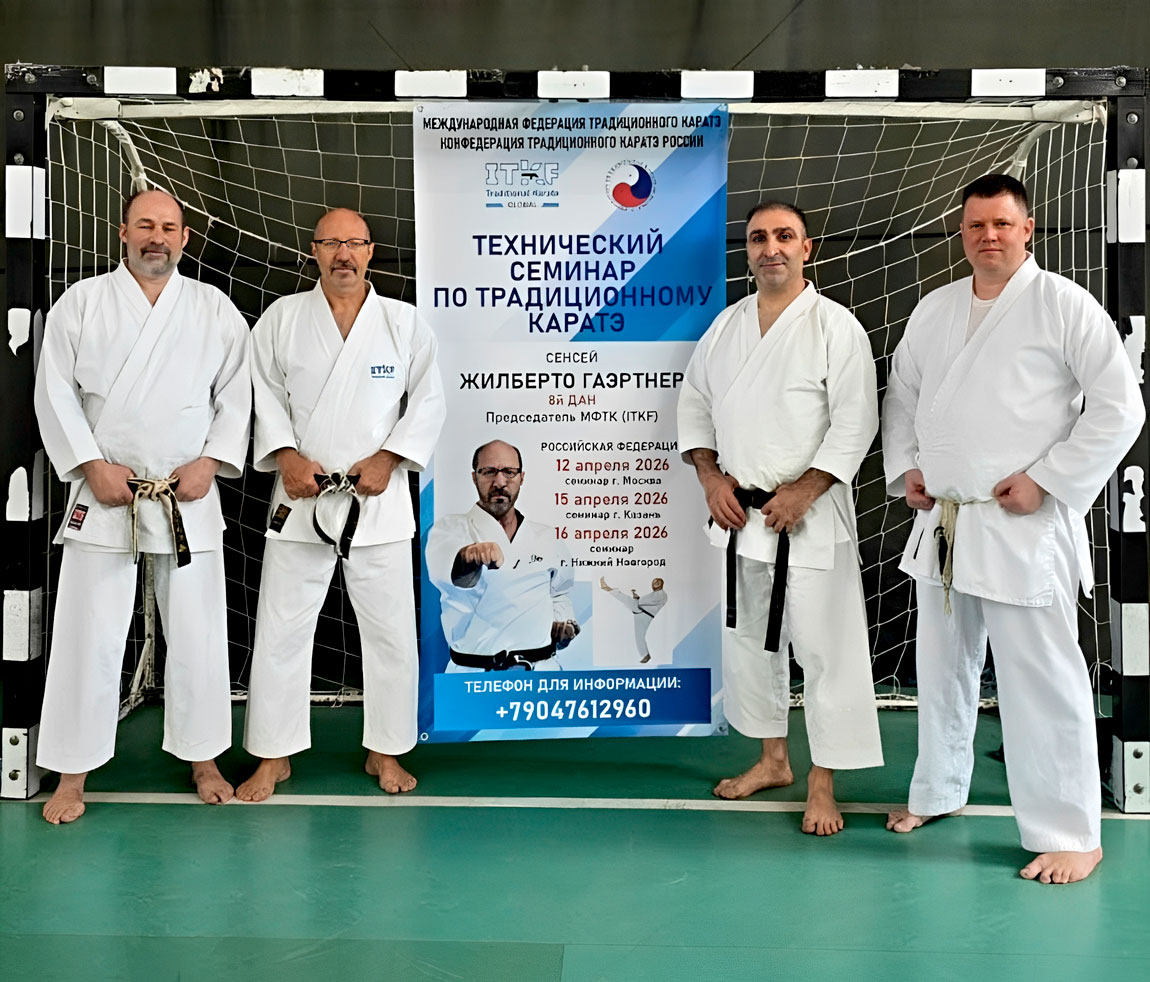
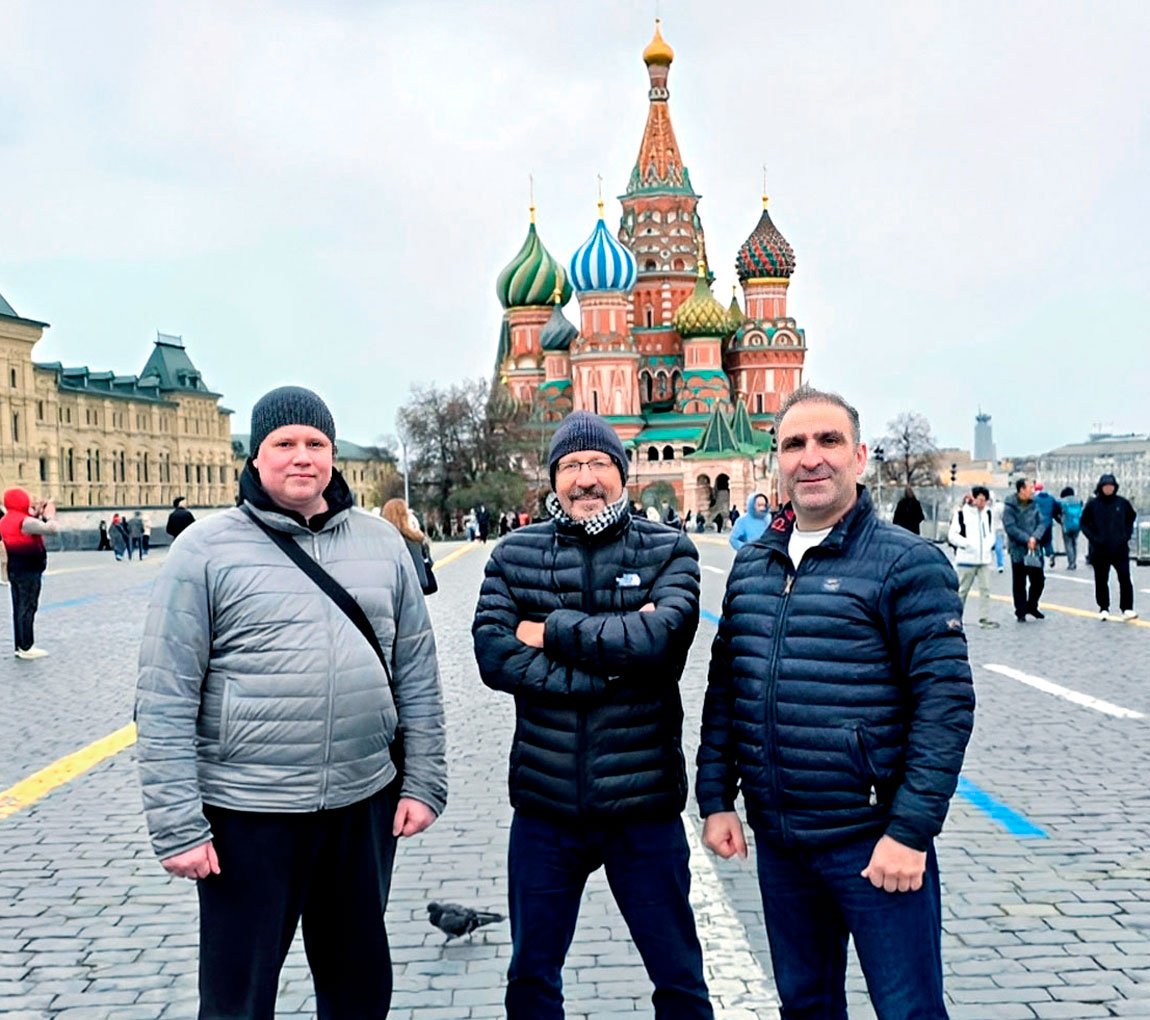
Gilberto Gaertner alongside instructors Alexander Gontsa, Gevorg Sargsyan, and Antón Chernousov © ITKF Global
The first meeting took place in Moscow and brought together representatives from different karate groups in Russia, including Roman Generalov, Antón Chernousov, and Gevorg Sargsyan. Discussions focused on institutional integration and on building a common structure capable of officially representing the discipline throughout the country.
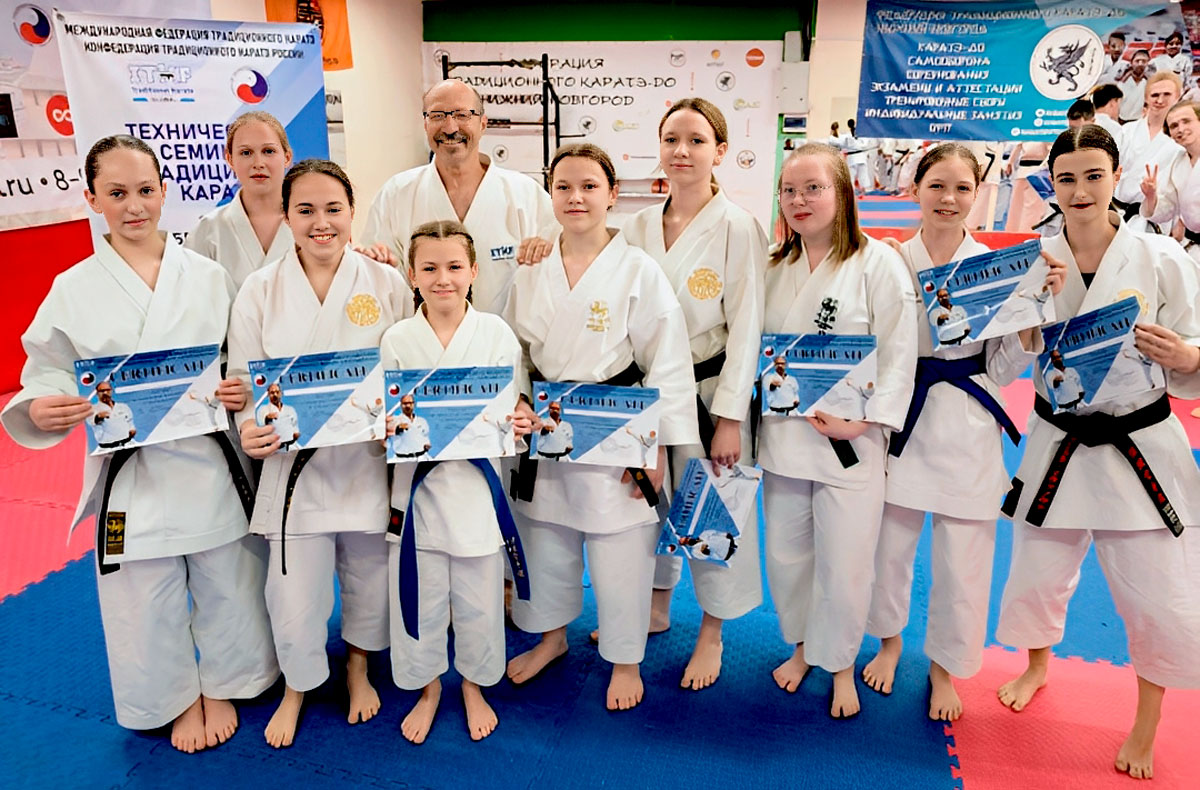
Young female participants during an ITKF activity in Russia © ITKF Global
According to Gaertner, a six-month timeframe was established for the groups to move forward with the consolidation of a future Russian Traditional Karate Confederation.
“It was a meeting aimed at integrating the Russian karate community. They discussed the possibility of creating a common institution to represent Russia. They now have six months to move this process forward, which is a reasonable timeframe for these negotiations,” Gaertner explained.
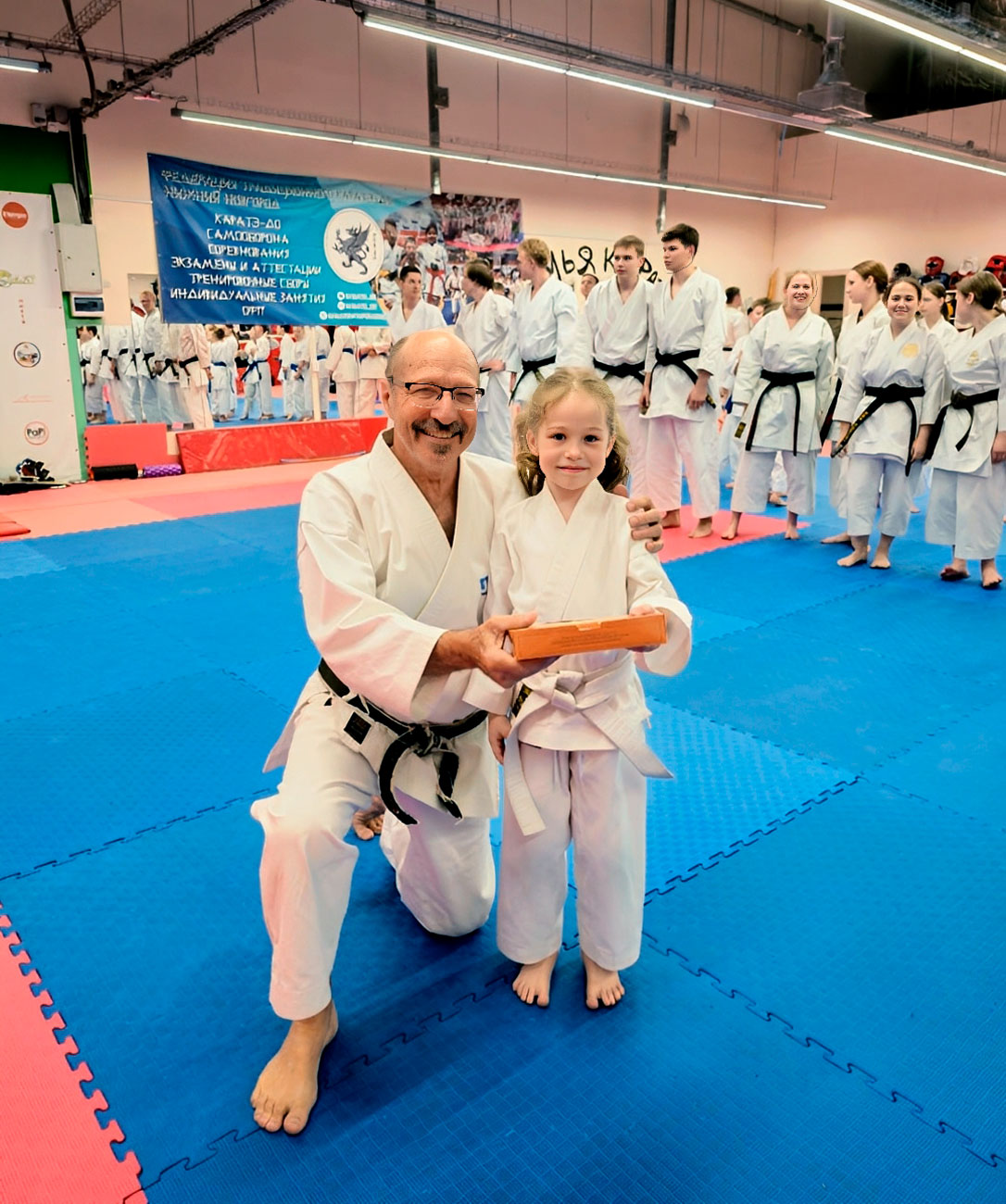
Gilberto Gaertner alongside the youngest karate practitioner participating in the technical seminar held in Nizhny Novgorod © ITKF Global
As part of the mission, Gaertner also traveled to Kazan, capital of the Republic of Tatarstan, where he participated in an official meeting with representatives of the regional Ministry of Sports. The meeting reinforced institutional ties between ITKF and Russian governmental sports structures, expanding opportunities for cooperation and international development of the discipline.
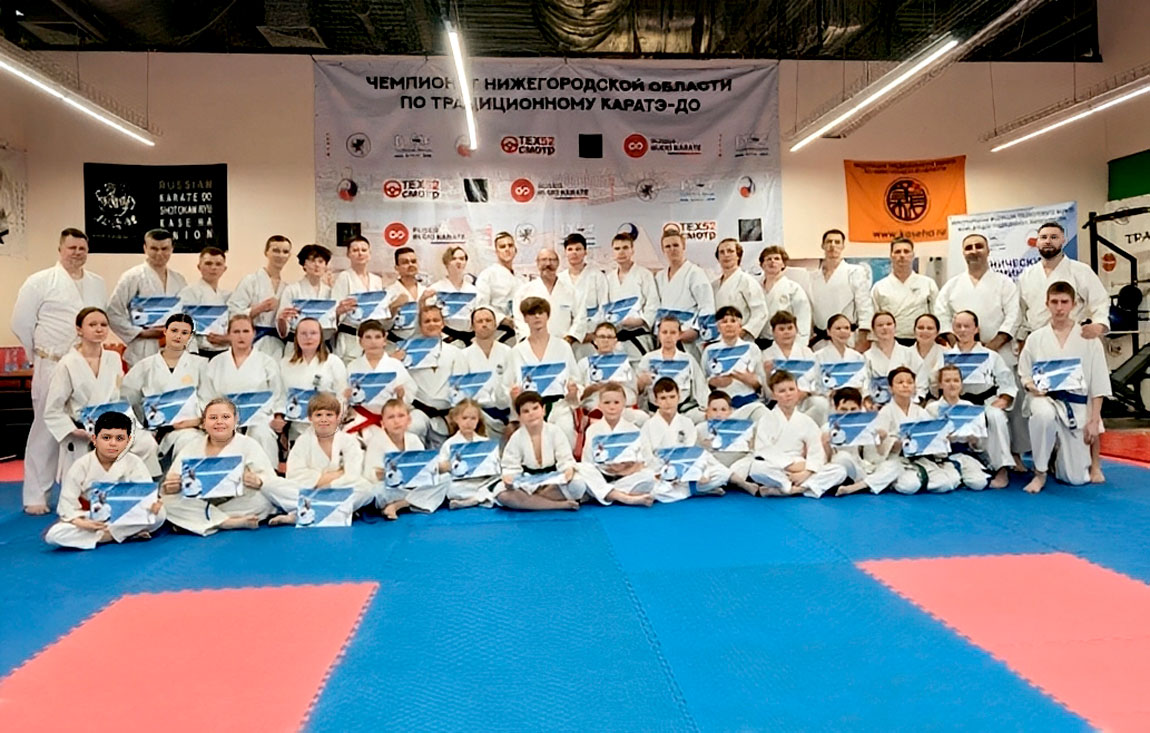
Participants in the ITKF technical seminar held in Nizhny Novgorod, Russia © ITKF Global
In addition to the previously announced meetings, an institutional agenda was also held with the president of the Russian Federation of Oriental Martial Arts. According to Gaertner, the discussions were highly positive and opened the door for the integration of Traditional Karate into the structure of the organization, which is officially recognized by the Russian Ministry of Sports.
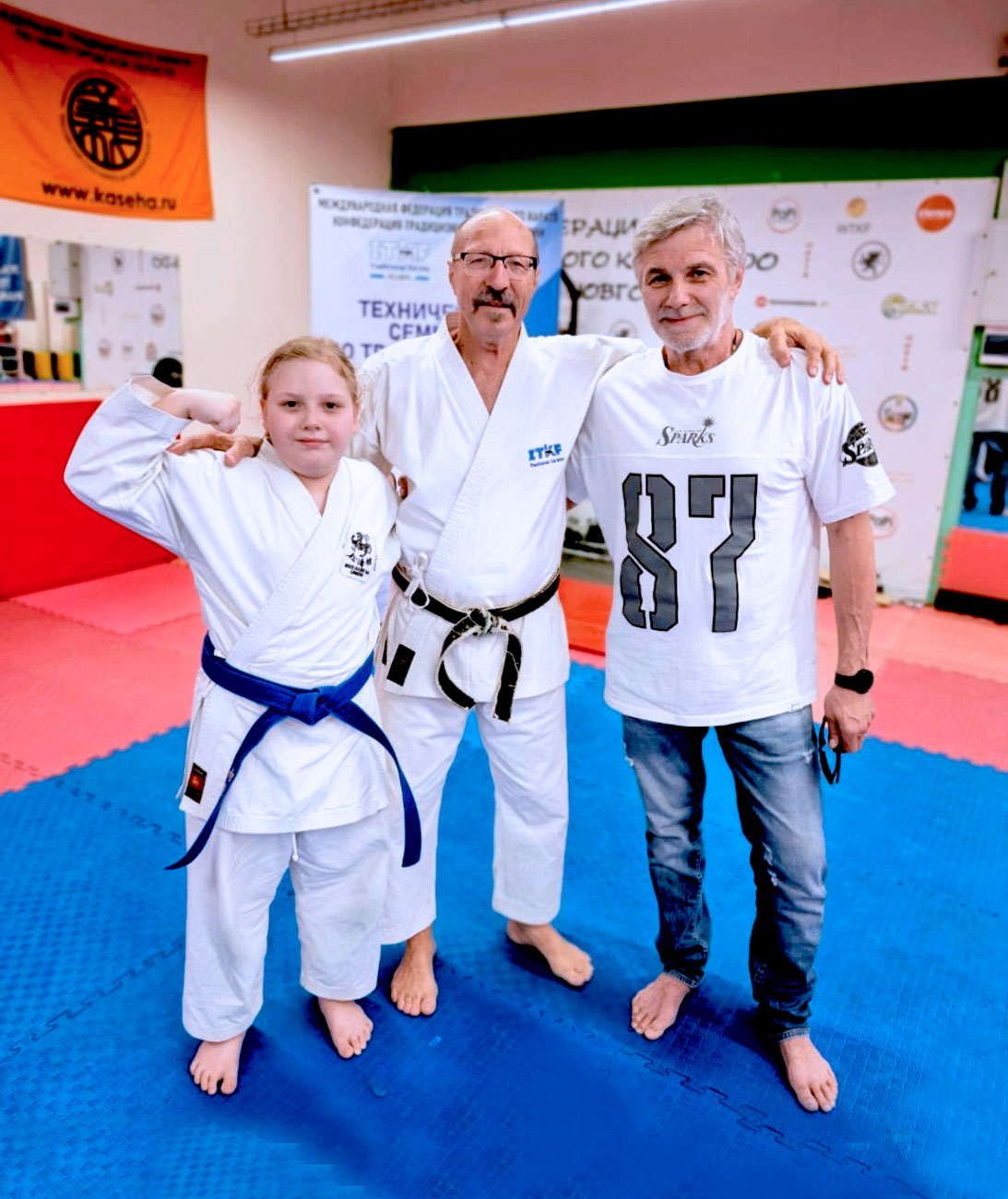
Gilberto Gaertner alongside a young karate practitioner and her father during a seminar in Russia © ITKF Global
The Russian Federation of Oriental Martial Arts occupies a strategic position within the country’s sports environment. Structured under an umbrella model, the institution brings together multiple Eastern martial arts disciplines and maintains formal recognition by the Russian Ministry of Sports, significantly expanding its institutional reach and capacity to develop sports policies nationwide.
During the meeting, the federation’s president, Sensei Yuri Mikhailovich Organov, highlighted the organizational scale of the entity and the broad range of martial arts disciplines under its coordination, reinforcing the organization’s institutional relevance and influence within Russian sports.
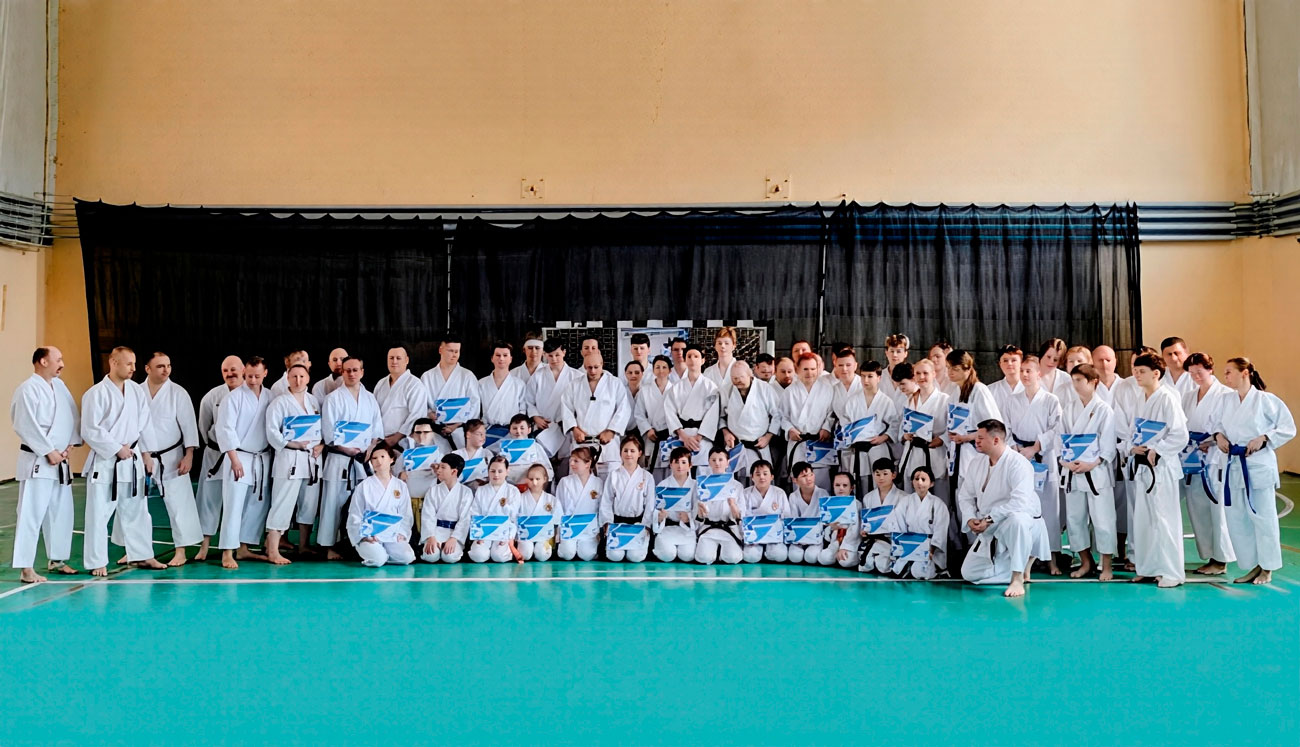
Gilberto Gaertner alongside participants of the technical seminar held in Moscow © ITKF Global
The meeting was also attended by important leaders of the Russian Traditional Karate Federation, including President Gevorg Sargsyan; Secretary General Antón Chernousov; advisor Yuri Spitsyn; and Nikolay Ivanovich Trifonov, Vice President of the Russian Federation of Oriental Martial Arts.
Strategic Strengthening of Eurasia
In the view of the ITKF Global Chairman, the mission to Russia consolidated a strategic movement aimed at strengthening the organization throughout the Euro-Asian axis.
“First of all, it was very important to realize that they work together in a highly harmonious environment. The group led by Gevorg Sargsyan is extremely organized and works in close integration with other leaders, such as Artyem Sokolenko, instructor from Nizhny Novgorod, who also develops outstanding technical work,” Gaertner emphasized.
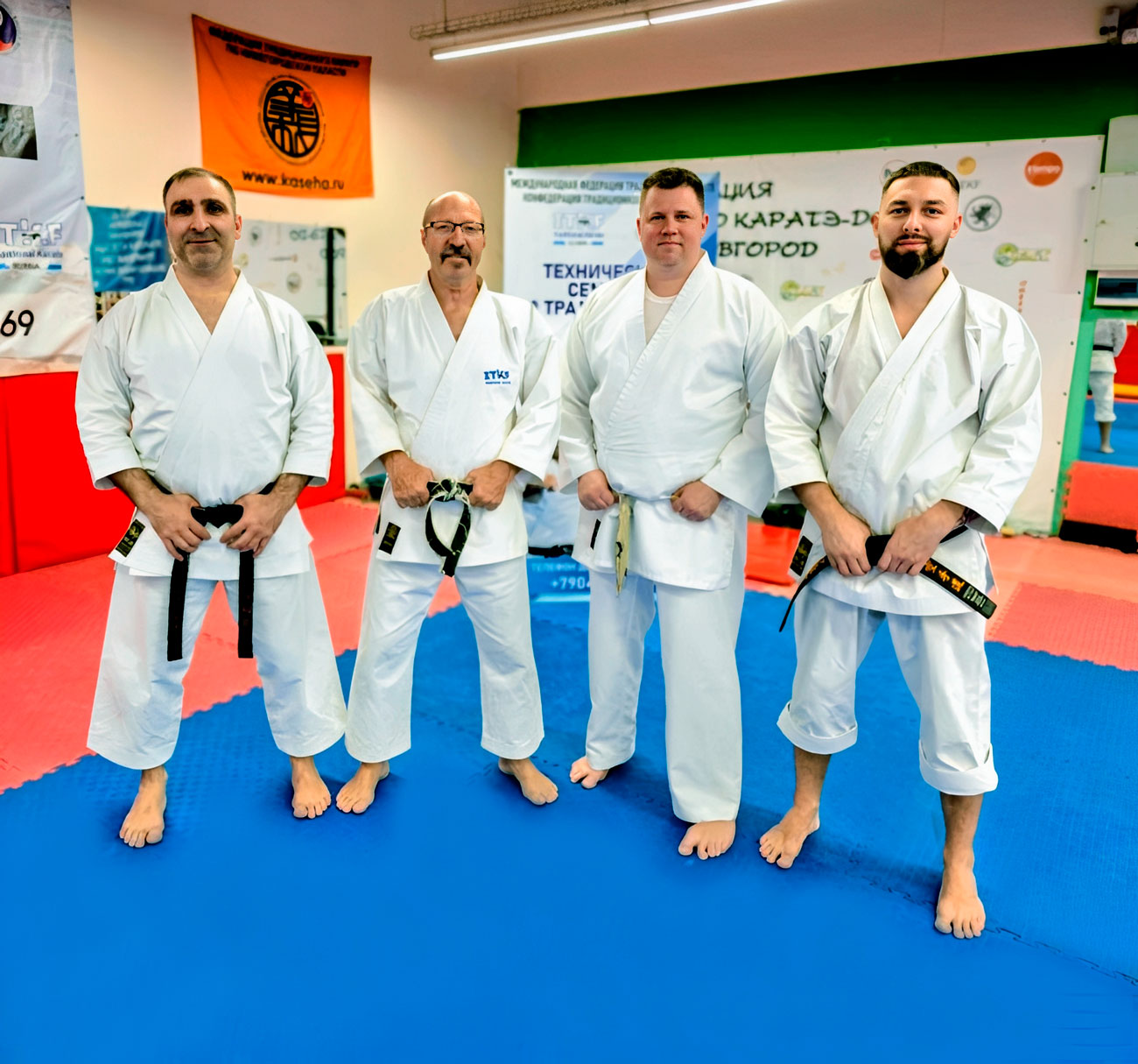
Professors Gevorg Sargsyan, Gilberto Gaertner, Antón Chernousov, and Artyem Sokolenko during activities at the dojo in Nizhny Novgorod, Russia © ITKF Global
According to the ITKF Chairman, the combination of political articulation, institutional organization, and technical development enabled the organization to consistently expand its presence in a region considered strategically important for the international growth of Traditional Karate.
“All these efforts combined were extremely important in allowing us to establish Eurasia as a strategic region for ITKF. With this strengthening process, India and Russia now emerge as two extremely important hubs for the development of Traditional Karate in Asia.”
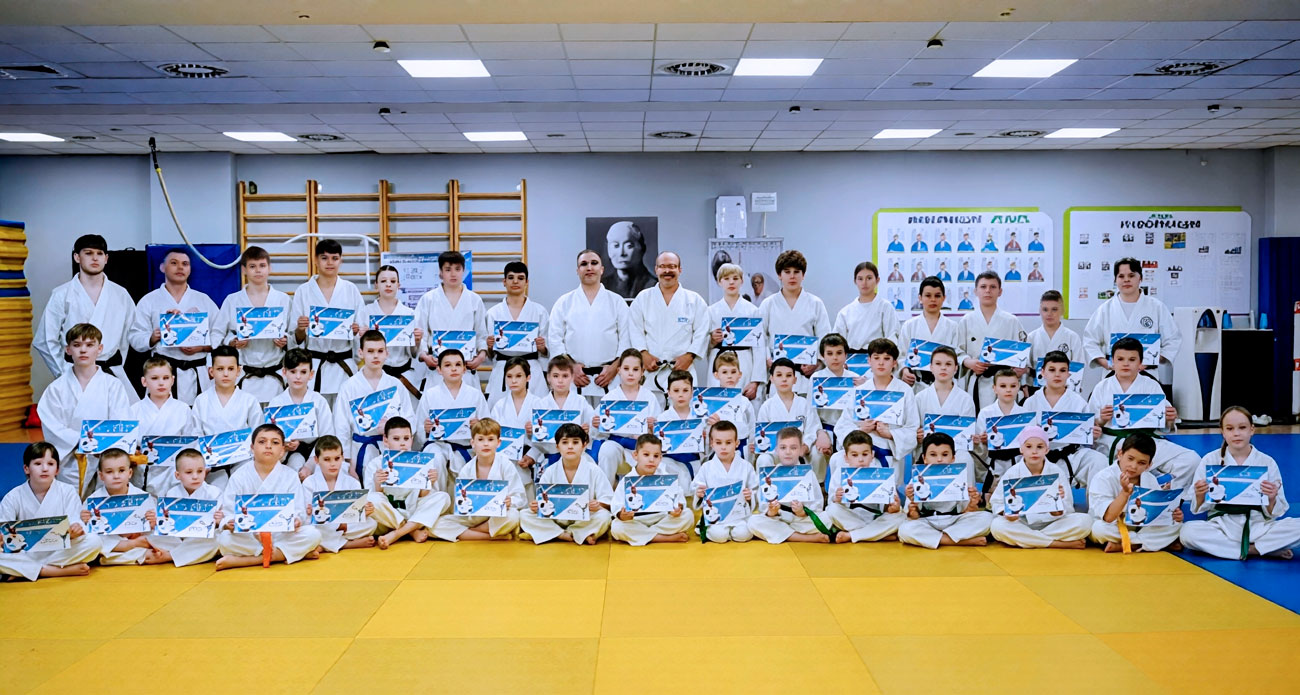
Professors Gevorg Sargsyan and Gilberto Gaertner with participants of the technical seminar held in Kazan, Russia © ITKF Global
Gaertner also stressed that ITKF’s work in Russia remained completely independent from ideological or geopolitical matters, emphasizing the exclusively sporting and institutional nature of the organization.
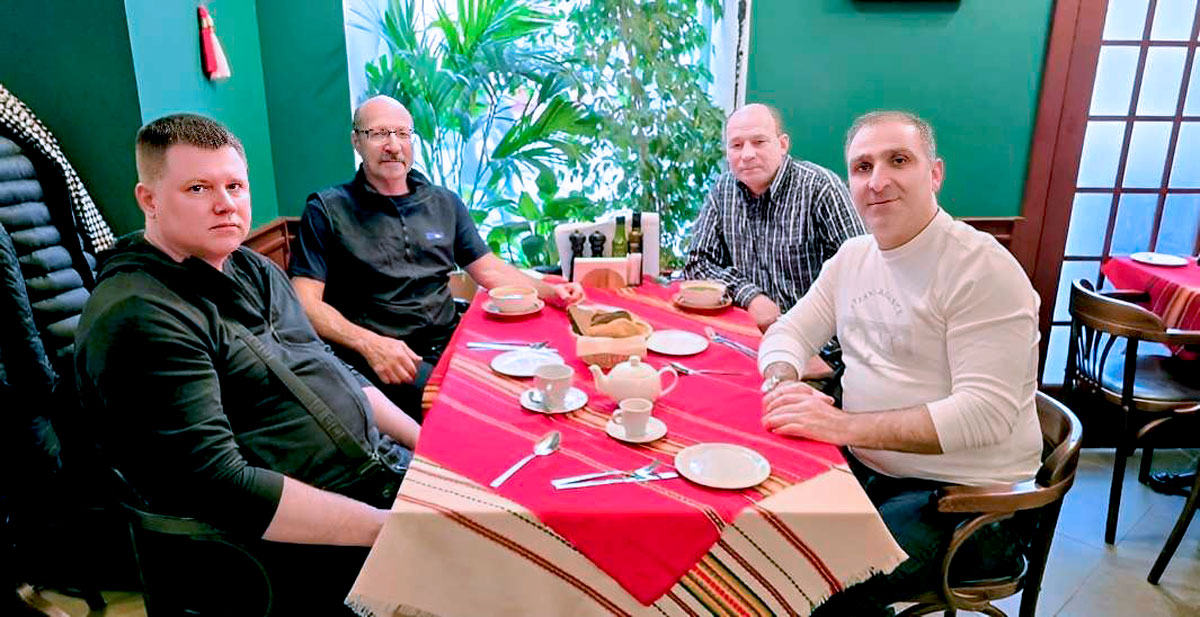
Meeting between senseis Antón Chernousov, Alexander Gontsa (Sasha), Gevorg Sargsyan, and Gilberto Gaertner to evaluate the technical seminars and institutional meetings held in Russia © ITKF Global
Technical Seminars Reinforce International Exchange
Alongside the institutional agenda, ITKF Global developed an extensive technical program in Russia, with seminars held in Moscow, Kazan, and Nizhny Novgorod.
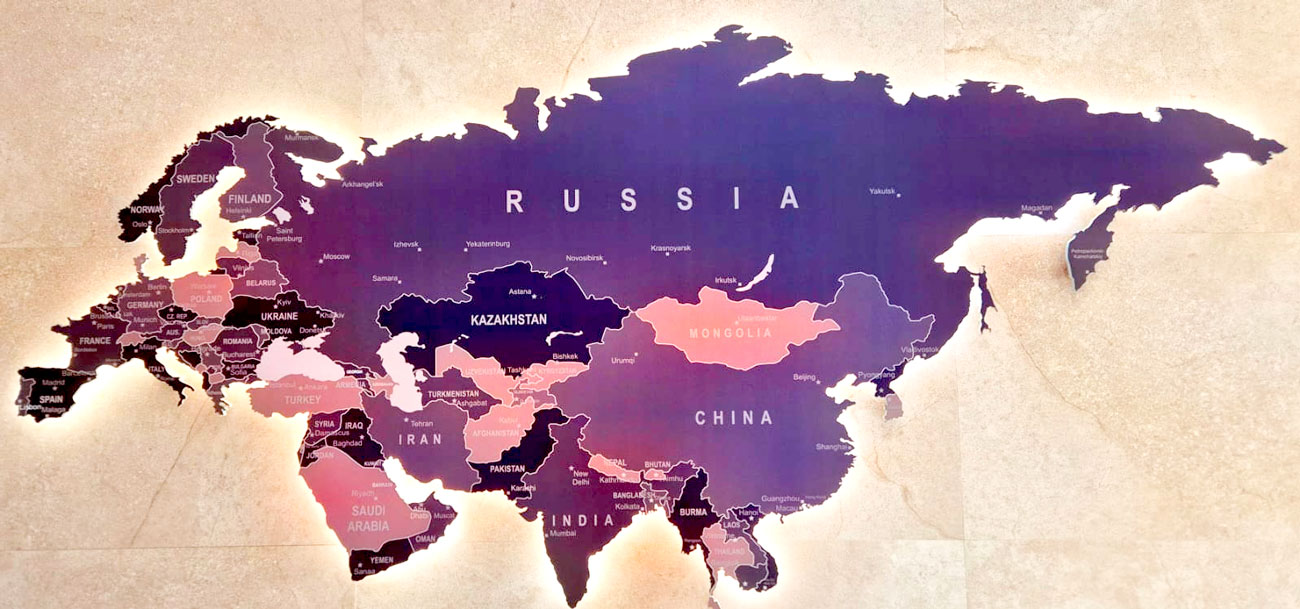
Geopolitical map of Russia, the largest country in the world by territorial extension, with approximately 17 million square kilometers and an estimated population of 145 million inhabitants © Archive
The events brought together instructors, leaders, black belts, and many young practitioners in activities focused on technical improvement, international standardization, and the strengthening of Traditional Karate fundamentals.
“The first seminar was held in Moscow, the second in Kazan, and the third in Nizhny Novgorod. Professor Gevorg Sargsyan lives in Kazan, while Antón Chernousov and Alexander Gontsa (Sasha) are based in Moscow,” Gaertner explained.
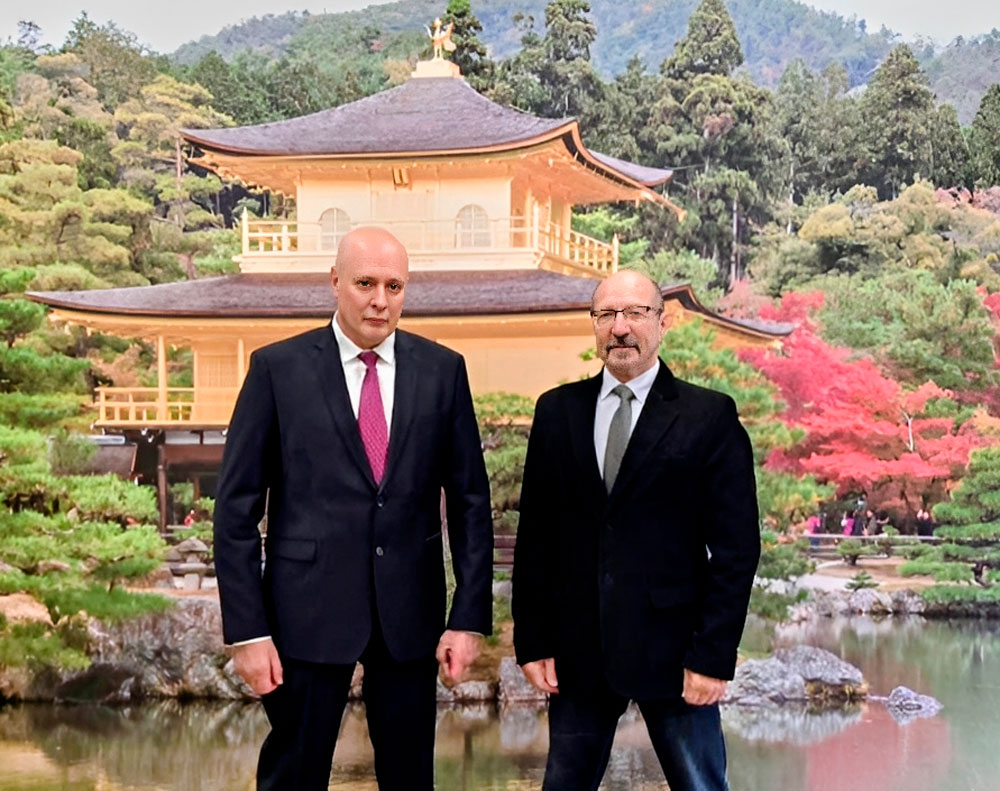
Gilberto Gaertner, ITKF Chairman, alongside Yuri Mikhailovich Organov, President of EMAFR © ITKF Global
The technical activities took place alongside the institutional meetings and were considered fundamental in consolidating the exchange between ITKF and the Russian groups committed to the development of Traditional Karate in the country.
ITKF leadership believes the mission represents an important milestone in the organization’s international expansion, consolidating Russia as one of the strategic regions for the future growth of the discipline.
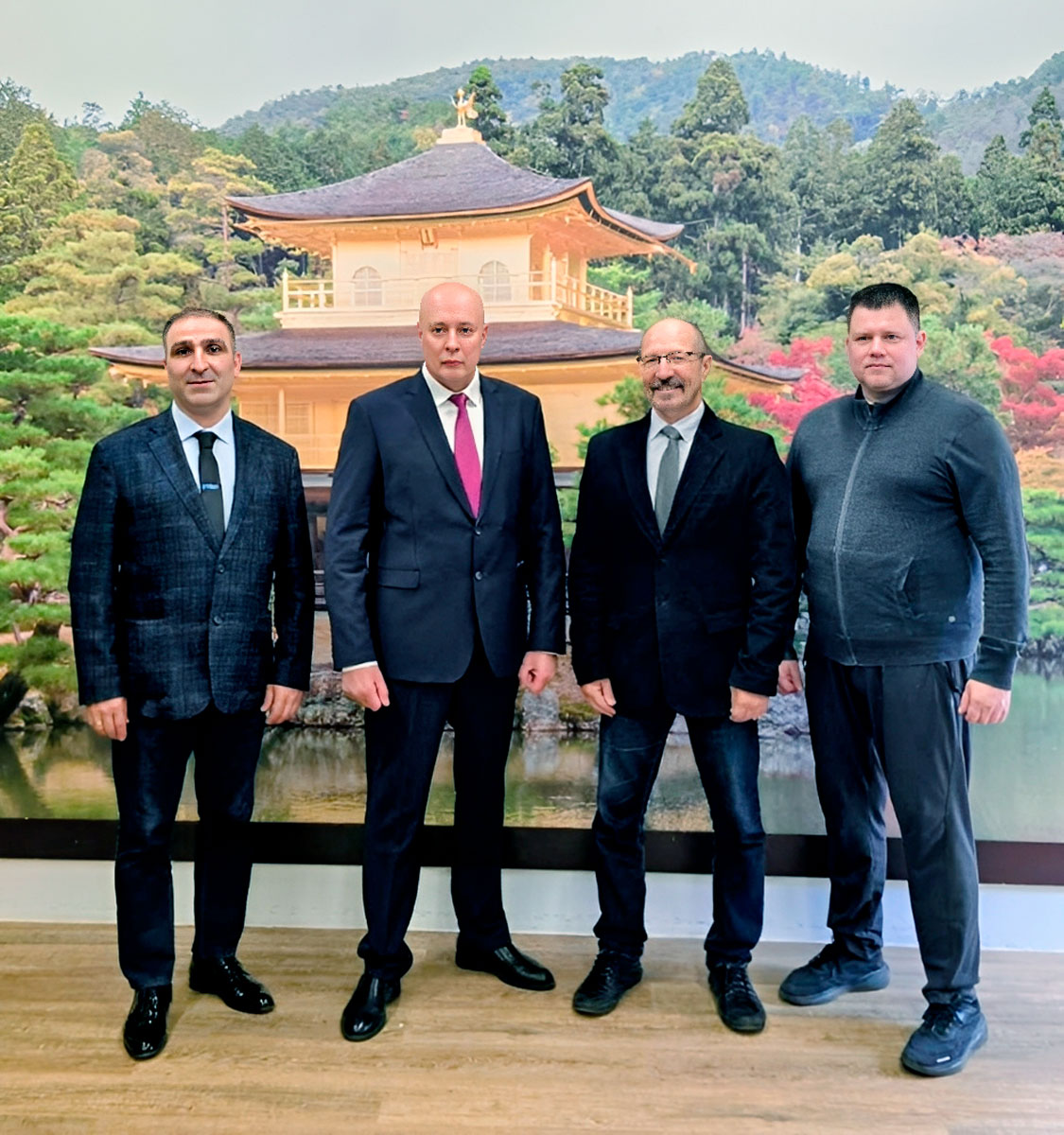
Record of the meeting between Gevorg Sargsyan, Yuri Mikhailovich Organov, Gilberto Gaertner, and Antón Chernousov in Moscow © ITKF Global
Russian Leadership Highlights ITKF’s Institutional and Technical Impact
According to the President of the Russian Traditional Karate Federation (FTKR), Gevorg Sargsyan, Gilberto Gaertner’s visit represented a decisive moment for the institutional and technical strengthening of Traditional Karate in Russia.
The Russian leader stated that the ten-day ITKF Global agenda established a new phase of integration between local leadership and the organization’s international system.
“ITKF managed to establish strategic operational synergy with local representatives. Sensei Gilberto Gaertner’s visit was extremely important in strengthening institutional dialogue and expanding the development prospects of Traditional Karate in Russia,” Sargsyan stated.
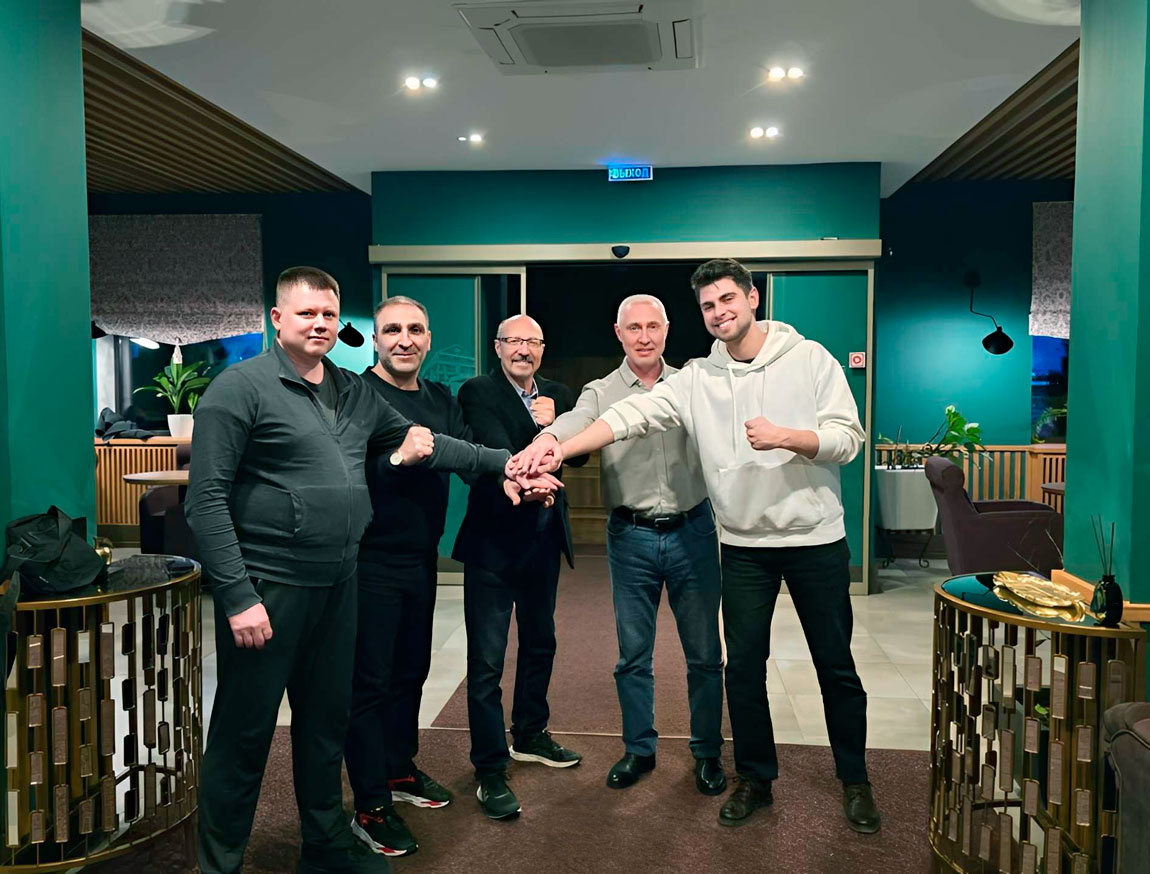
Traditional Karate leaders gathered during a meeting in Moscow © ITKF Global
Sargsyan also highlighted the discipline and dedication demonstrated by the ITKF Chairman throughout the mission. According to him, even after nearly 24 hours of international travel, Gaertner maintained his daily physical and technical preparation routine.
“Despite the natural exhaustion caused by such a long journey, he immediately began his activities. At nearly 70 years old, he maintains a daily routine of training and physical preparation, serving as an example of discipline and commitment for our karate practitioners,” he emphasized.
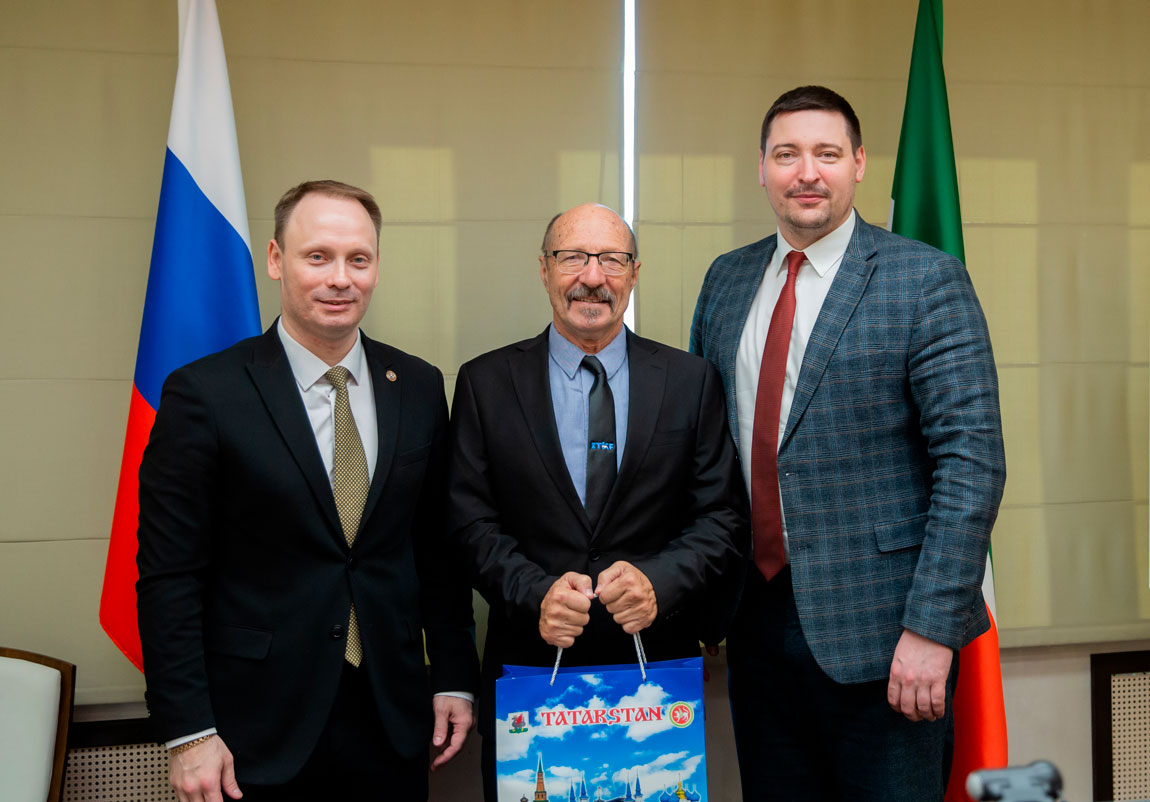
Alexander Alexandrovich Darenkov, Director of the Russian Union of Martial Arts in Tatarstan; Gilberto Gaertner, ITKF Chairman; and Roman Yurievich Kapliev, Deputy Minister of Sports of Tatarstan © MET
The Russian leader also praised the technical seminars held in Moscow, Kazan, and Nizhny Novgorod, emphasizing the focus on international standardization and on the development of new graduates within the ITKF technical program.
According to Sargsyan, the institutional meetings carried out during the visit opened new perspectives for strengthening the discipline in Russia and for future joint international initiatives.
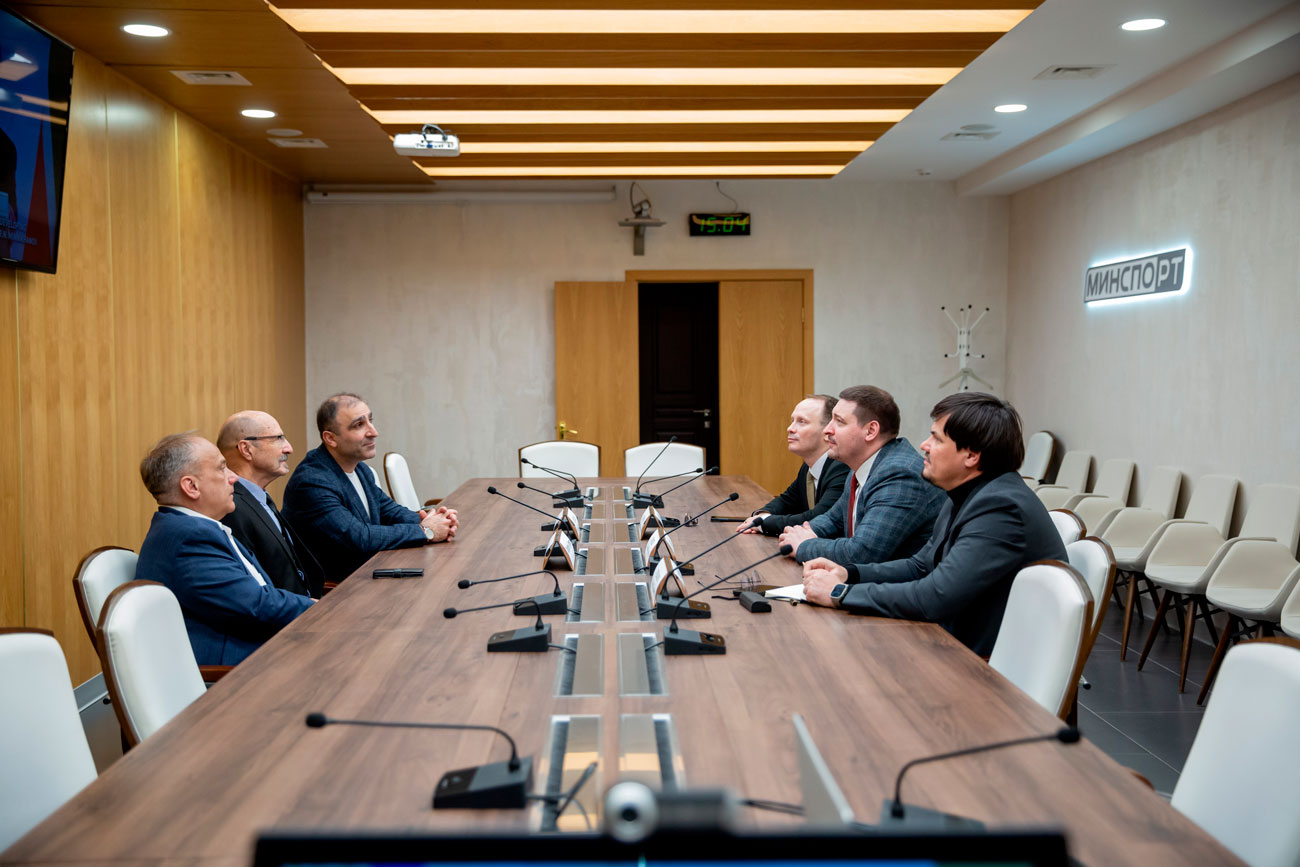
Meeting in Kazan brings together ITKF Global leaders and Russian sports authorities in a strategic dialogue for the expansion of Traditional Karate across the Euro-Asian axis © MET
Among the topics discussed were the creation of a unified structure for Russian Traditional Karate, the expansion of cooperation among local organizations, and the development of future international events in the country.
“ITKF’s proposal is to build an environment of cooperation among organizations, seeking the unification of Traditional Karate in Russia within a solid and internationally recognized structure,” he explained.
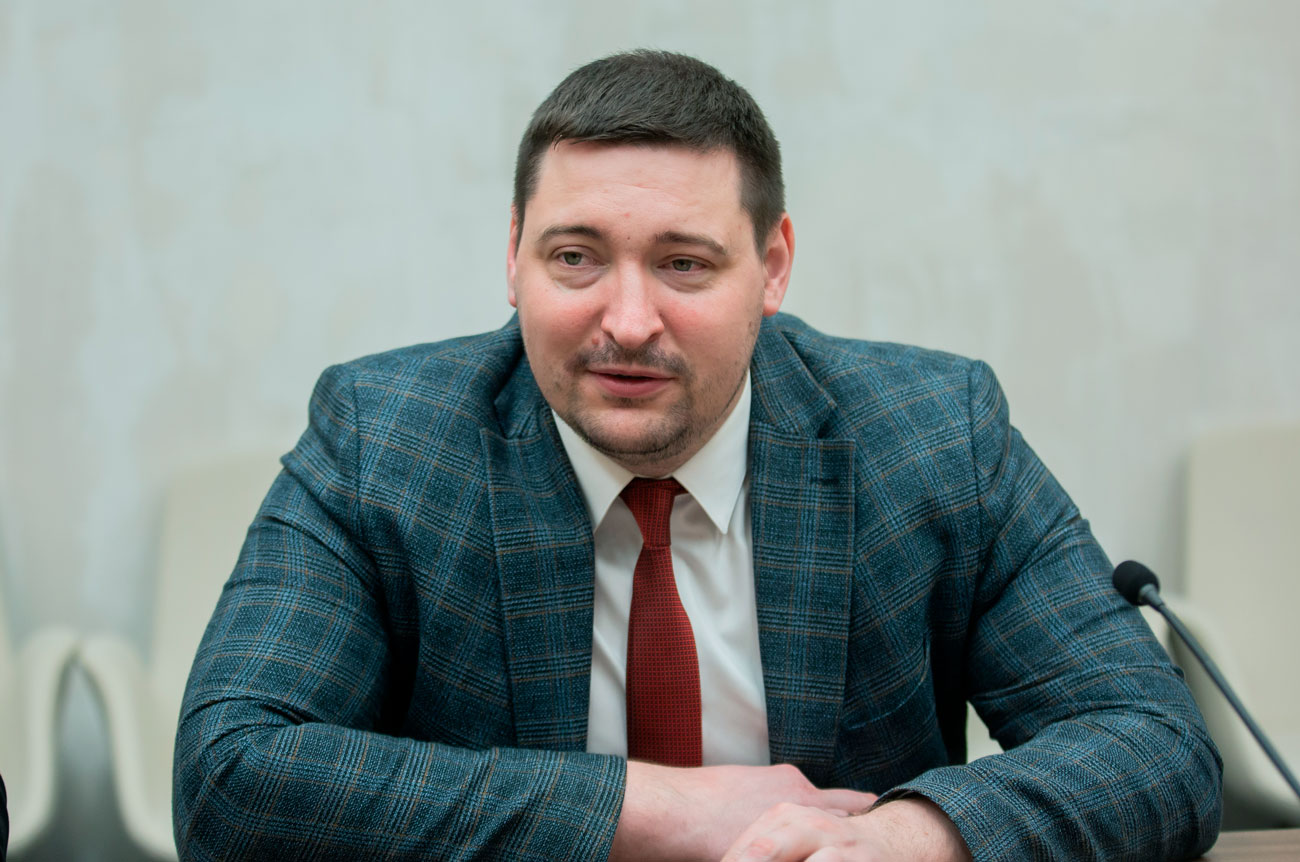
Roman Yurievich Kapliev, Deputy Minister of Sports of Tatarstan © MET
Sargsyan also emphasized the importance of the meeting held with the Ministry of Sports in Kazan, describing it as strategic for the organization’s future projects throughout the Euro-Asian region.
According to him, the institutional results of this rapprochement are expected to become even more evident over the coming years.
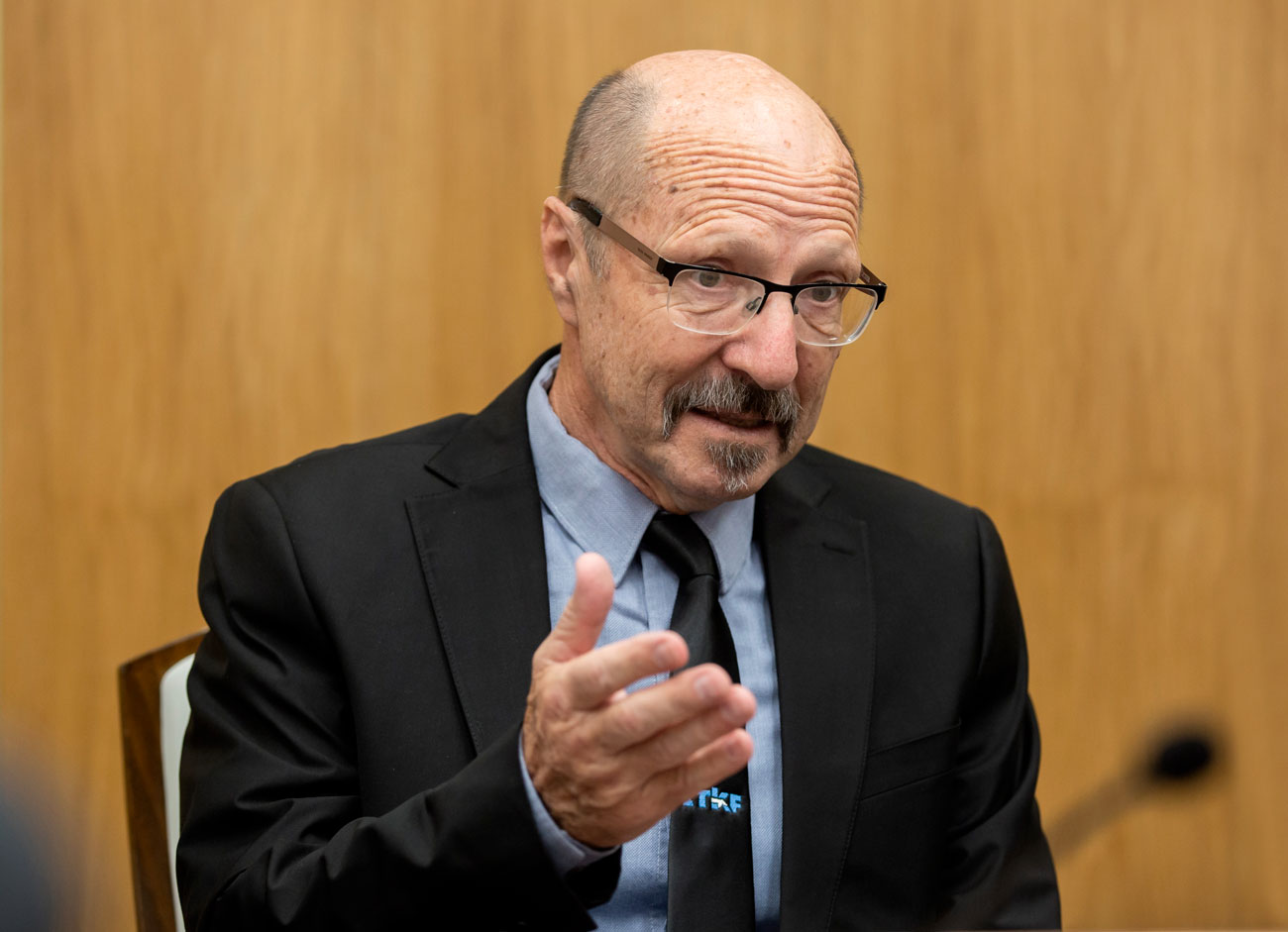
During a meeting in Kazan, Gilberto Gaertner details the international reach and strategic projects of ITKF Global © MET
The ITKF agenda in Russia also included meetings with representatives of the Federation of Oriental Martial Arts, discussions regarding future continental championships, and participation in the Traditional Karate Forum, where Gaertner presented the operational philosophy and strategic guidelines of ITKF Global.
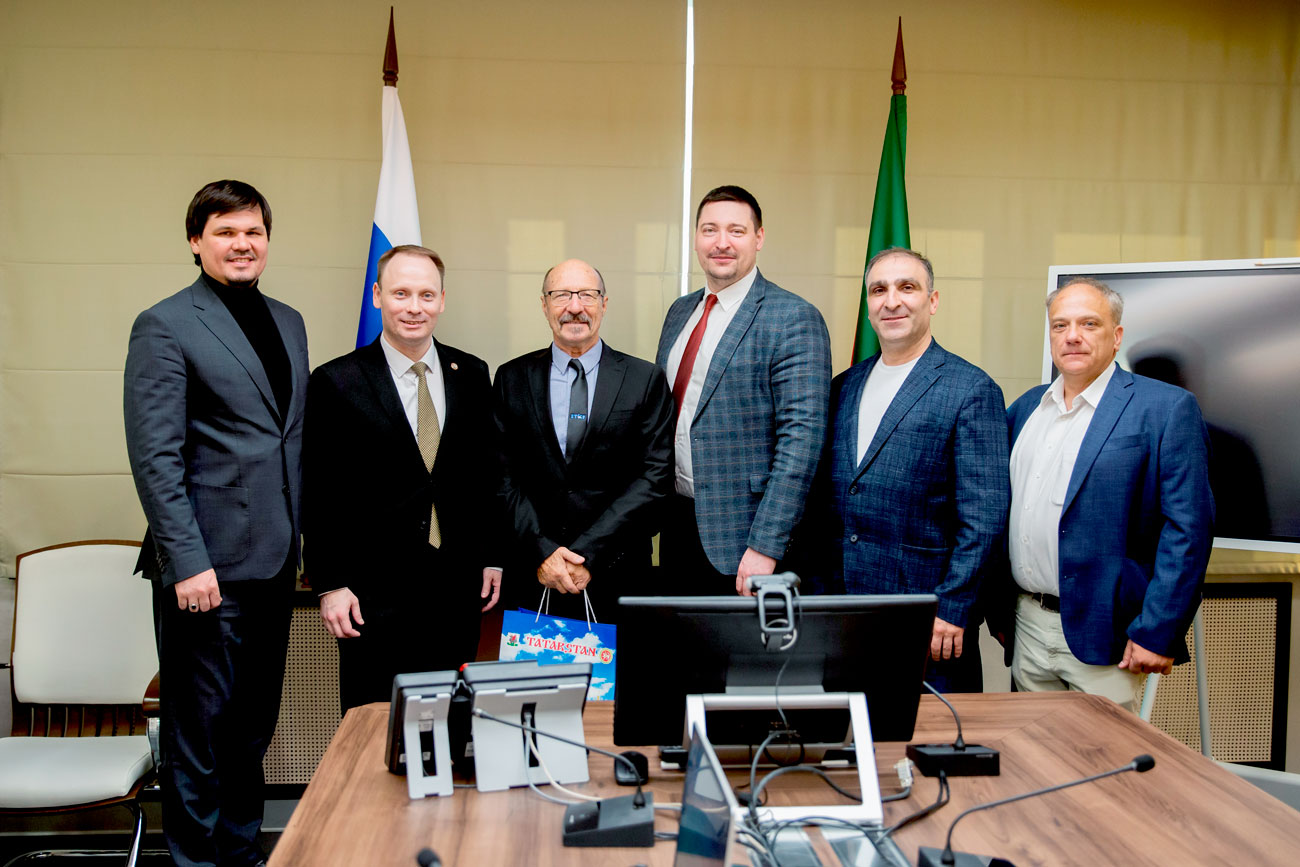
ITKF Global leaders and Tatarstan authorities register a meeting marking a new chapter in the international expansion of Traditional Karate © MET
At the conclusion of the mission, Sargsyan described the Brazilian leader’s visit as highly impactful for the Russian Traditional Karate community.
“Professor Doctor Gilberto Gaertner left an extremely positive impression among us. Throughout the entire visit, he demonstrated technical leadership, diplomatic ability, and profound humanity,” he concluded.